Stories
Share Your Story — Turn Your Match Into a Manga
In Moonfall your match can become a shareable manga storybook. Here's how the panels are made, how to share them, and how to read a duel like a comic.
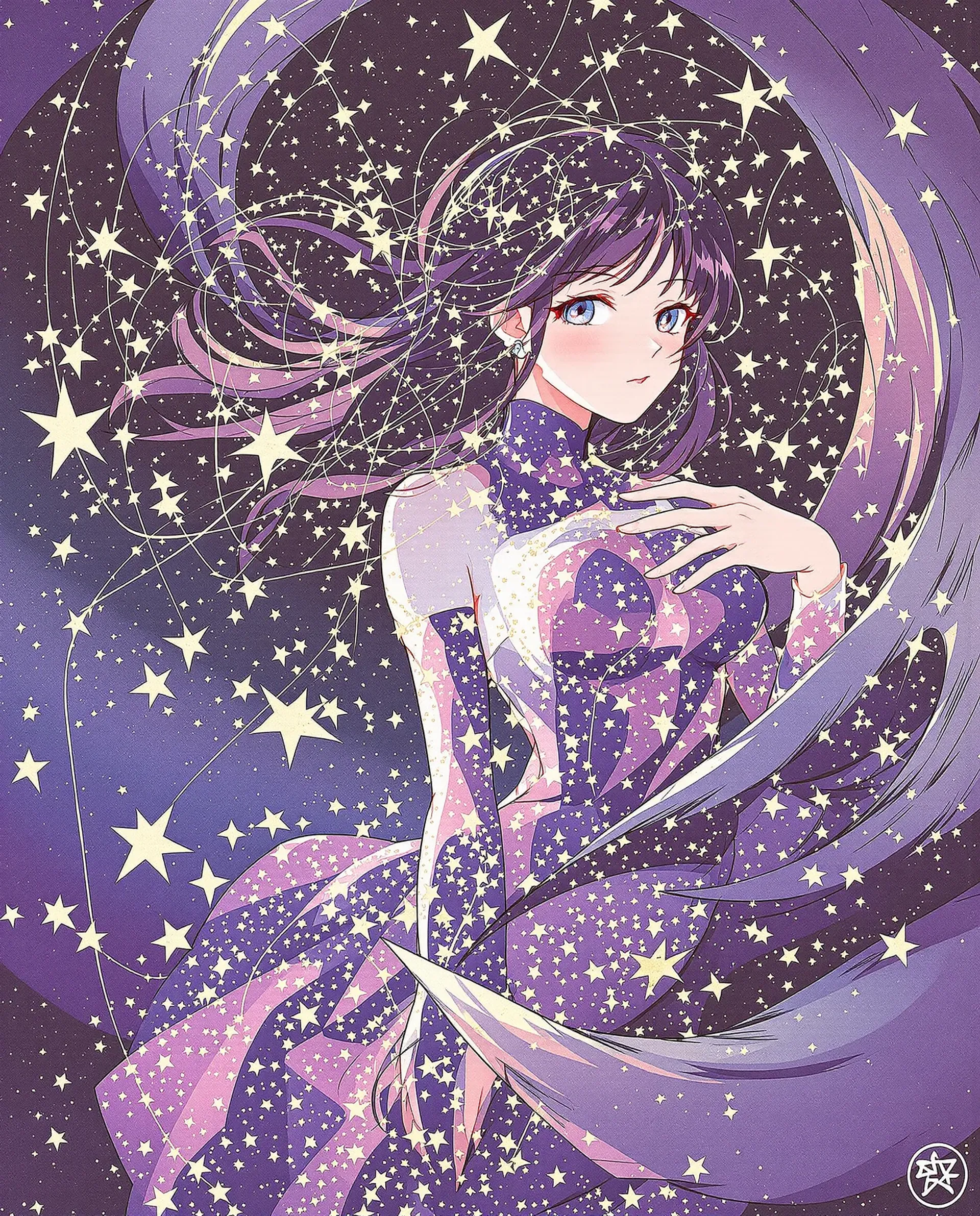
Most card games end with a result: a win, a loss, a number. Moonfall ends with a story. Every match you play is quietly being written and drawn as you go, so the moment it's over you're holding a finished manga storybook — an illustrated, shareable comic of the exact duel you just fought. This is, for a lot of players, the best part of the whole game. Here's how it works.
The match writes itself
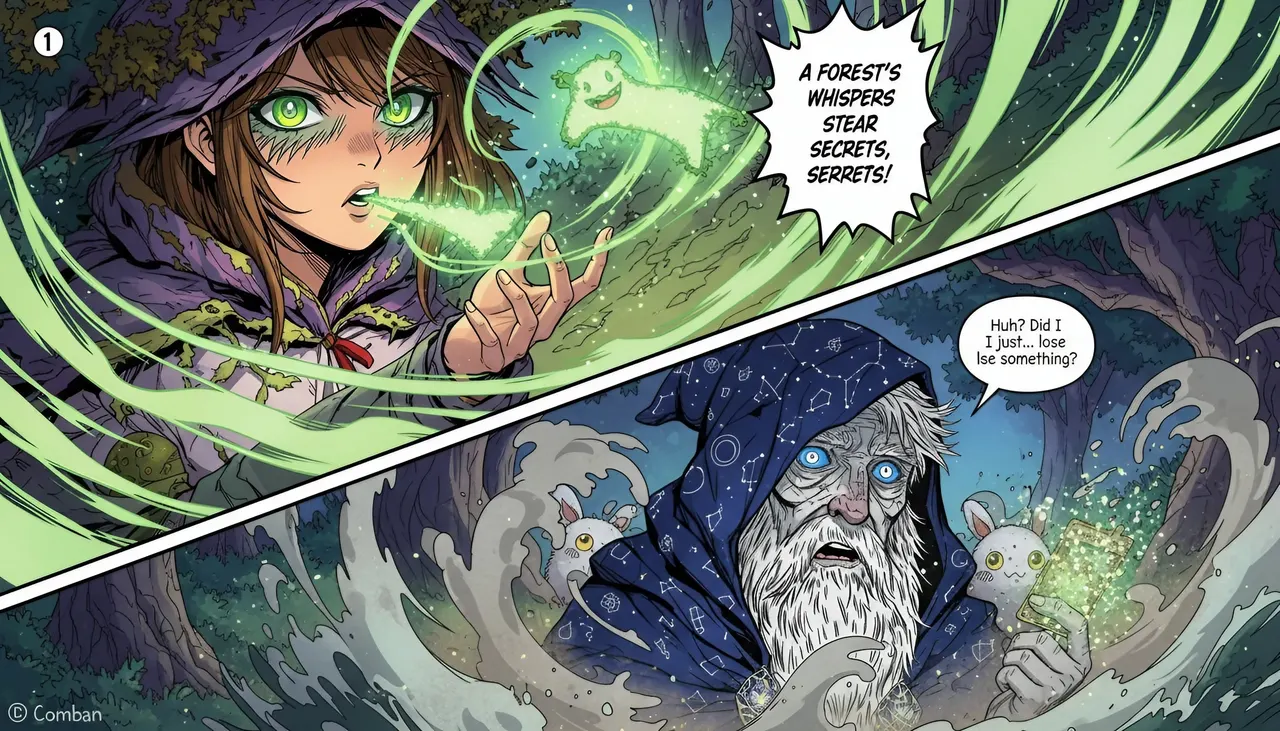
The secret is that Moonfall's referee is also its author. As covered in our piece on the AI Game Master, the AI narrates plays as it resolves them — the clash of your creatures, the taunt before a finishing blow, the turn of fortune. That narration isn't thrown away when the turn ends. It's inked into a panel. Turn by turn, your match accretes into a sequence of illustrated pages, each one drawn from what actually happened on the board.
By the time your opponent hits zero, you haven't just won — you've made a comic.
A cast you chose
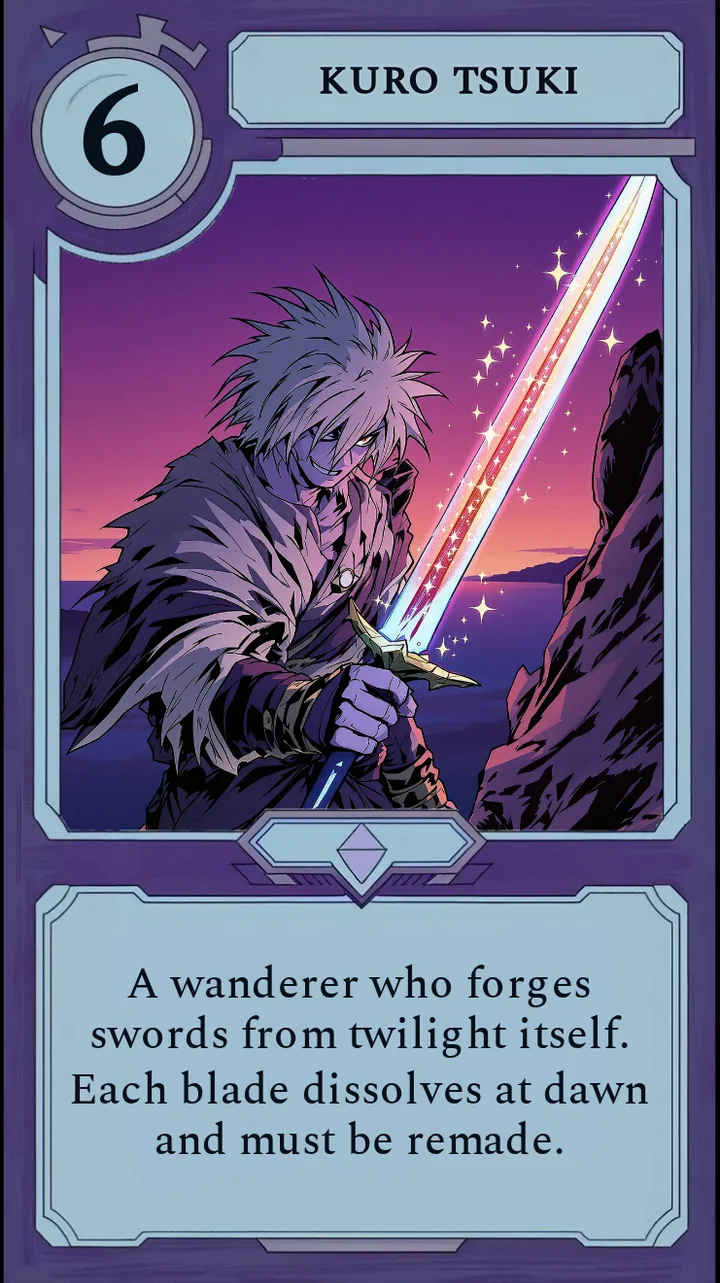
What makes these storybooks land is that you recognize everyone in them. The summoner is your summoner — maybe one you dreamed up yourself. The creatures are the cards you chose to play, the spells are the ones you chose to cast. The manga stars the exact roster you brought to the table, which means the story is yours in a way a replay log could never be.
That's also why forging and dreaming your own cards feels so good: a card you made in the Foundry doesn't just win you a game, it earns a place in a story with your name on it.
Sharing a storybook
When a match ends, you get a Share Storybook button and a link. That link points at a public page — the format is /s/ followed by a short code — and anyone you send it to can open it and read the whole manga. No login, no account, no install required to read one. It's just a web page with your duel on it.
There's a thoughtful detail in how those links preview. When you paste one into a chat or a social post, the preview is deliberately spoiler-free: it names the summoners and invites people to watch the manga unfold, rather than blurting out who won. The ending is something your readers earn by actually reading — the way a good comic should be.
Reading a duel like a comic
Open a storybook and you don't scan a table of moves — you read. You scroll down through the panels, watching the match build the way a manga chapter does: an opening, a clash, a turn, a finish. The pacing comes from the game itself, because each panel follows the turns you played, so the rhythm of the comic is the rhythm of the duel you actually played.
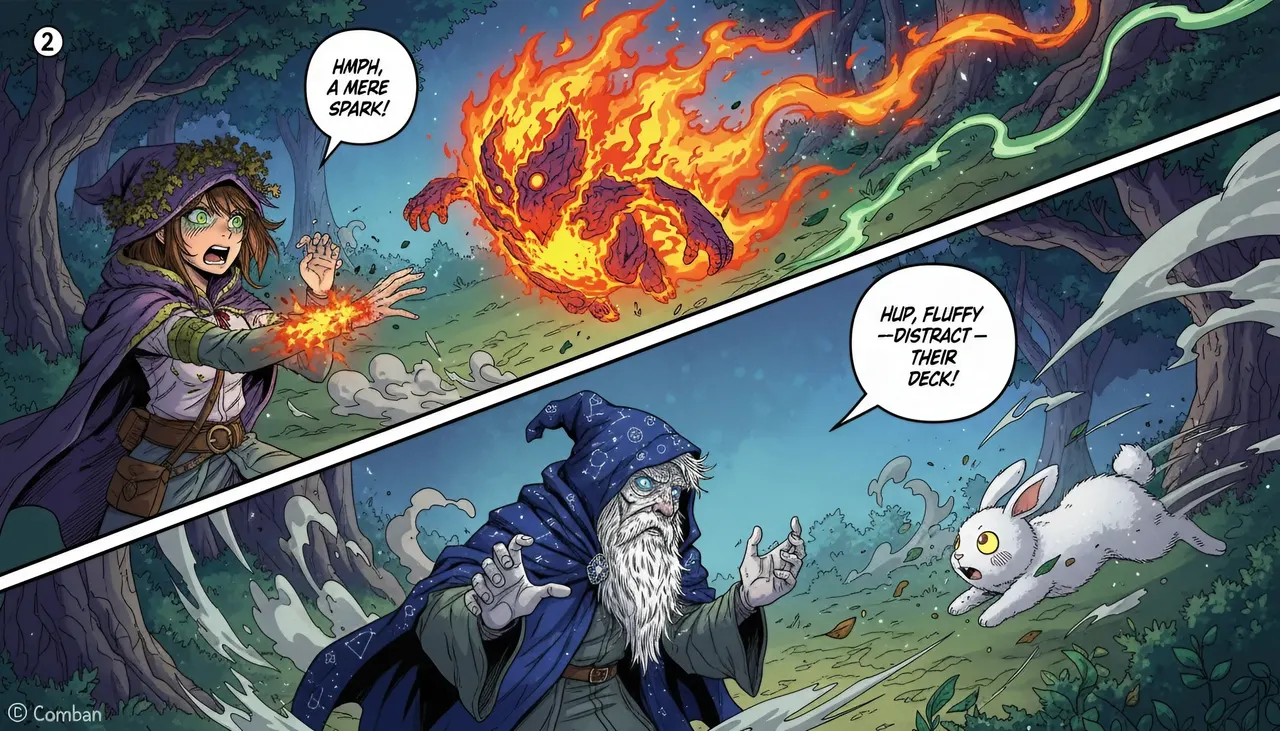
And because Moonfall matches rarely resolve the same way, storybooks rarely repeat. The same two decks can produce completely different comics on different nights. Every storybook is distinct — a drawing of a game that happened exactly once, and is unlikely to repeat in the same way.
Why it matters
Card games are usually private little dramas — something intense happens on the board and then it's gone, remembered only by the two people who were there. Moonfall's storybooks change that. They give your matches an afterlife: something you can revisit, something to send to a friend, something that says look what my game turned into tonight. The finishing blow you set up three turns in advance isn't a line in a log anymore. It's a panel someone else can gasp at.
That's the whole promise on the tin — every game tells a little tale — made literal. Play a match, and you'll have one to share by the time it's done. Come write one.
Frequently asked questions
What is a Moonfall storybook?
A storybook is the manga version of a finished match. As you play, the AI narrates each turn and inks it into an illustrated panel, so by the end the whole duel exists as a comic you can read top to bottom and share.
How do I share a match?
Finished matches get a Share Storybook button and a share link. The link opens a public page at /s/ followed by a short code, so anyone can read your manga — no account or login required to view it.
Do shared links spoil who won?
No. The share page's preview is deliberately spoiler-free — it names the summoners and invites people to watch the manga unfold rather than announcing the result. The ending is something readers discover by reading.
Can people read my storybook without playing Moonfall?
Yes. A shared storybook is a public web page with its own illustrated panels, so friends can read the whole match like a comic even if they've never opened the game.
Are two storybooks ever the same?
Very unlikely. The AI Game Master resolves each play in context, so matches rarely unfold the same way — and a storybook is drawn from the exact game you played.